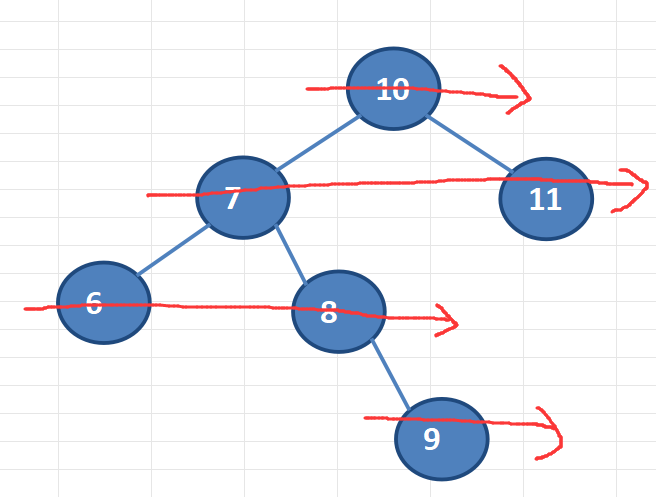
广度优先搜索(BFS) 图的广度优先搜索(Broad First Search) 。类似于一个分层搜索的过程,广度优先遍历需要使用一个队列以保持访问过的结点的顺序,以便按这个顺序来访问这些结点的邻接结点
广度优先遍历算法步骤
访问初始结点v并标记结点v为已访问。
结点v入队列
当队列非空时,继续执行,否则算法结束。
出队列,取得队头结点u。
查找结点u的第一个邻接结点w。
若结点u的邻接结点w不存在,则转到步骤3;否则循环执行以下三个步骤:
若结点w尚未被访问,则访问结点w并标记为已访问。
结点w入队列
查找结点u的继w邻接结点后的下一个邻接结点w,转到步骤6。
广度优先搜索抽象图解
代码实现 Graph
1
2
3
4
5
6
7
8
9
10
11
12
13
14
15
16
17
18
19
20
21
22
23
24
25
26
27
28
29
30
31
32
33
34
35
36
37
38
39
40
41
42
43
44
45
46
47
48
49
50
51
52
53
54
55
56
57
58
59
60
61
62
63
64
65
66
67
68
69
70
71
72
73
74
75
76
77
78
79
80
81
82
83
84
85
86
87
88
89
90
91
92
93
94
95
96
97
98
99
100
101
102
103
104
105
106
107
108
109
110
111
112
113
114
115
116
117
118
119
120
121
122
123
124
125
126
127
128
129
130
131
132
133
134
135
136
137
138
139
140
141
142
143
144
145
146
147
148
149
150
151
152
153
154
package com.yukinoshita.dataStructure.graph;import java.util.ArrayList;import java.util.Arrays;import java.util.LinkedList;public class Graph { private ArrayList<String> vertexList; private int [][] edges; private int numOfEdges; private boolean [] vis; public static void main (String[] args) { int n = 5 ; String Vertexs[] = {"A" , "B" , "C" , "D" , "E" }; Graph graph = new Graph (n); for (String vertex : Vertexs) { graph.insertVertex(vertex); } graph.insertEdge(0 , 1 , 1 ); graph.insertEdge(0 , 2 , 1 ); graph.insertEdge(1 , 2 , 1 ); graph.insertEdge(1 , 3 , 1 ); graph.insertEdge(1 , 4 , 1 ); graph.showGraph(); graph.bfs(); } public void bfs () { for (int i=0 ;i<getNumOfVertex();i++){ if (!vis[i]){ bfs(vis,i); } } } private void bfs (boolean [] vis, int i) { int u; int w; LinkedList queue = new LinkedList (); System.out.print(getValueByIndex(i) + "=>" ); vis[i] = true ; queue.addLast(i); while (!queue.isEmpty()) { u = (Integer) queue.removeFirst(); w = getFirstNeighbor(u); while (w != -1 ) { if (!vis[w]) { System.out.print(getValueByIndex(w) + "=>" ); vis[w] = true ; queue.addLast(w); } w = getNextNeighbor(u, w); } } } public int getNextNeighbor (int v1, int v2) { for (int j = v2 + 1 ; j < vertexList.size(); j++) { if (edges[v1][j] > 0 ) { return j; } } return -1 ; } public int getFirstNeighbor (int index) { for (int j = 0 ; j < vertexList.size(); j++) { if (edges[index][j] > 0 ) { return j; } } return -1 ; } public Graph (int n) { edges = new int [n][n]; vertexList = new ArrayList <String>(n); numOfEdges = 0 ; vis = new boolean [n]; } public int getNumOfVertex () { return vertexList.size(); } public void showGraph () { for (int [] link : edges) { System.err.println(Arrays.toString(link)); } } public int getNumOfEdges () { return numOfEdges; } public String getValueByIndex (int i) { return vertexList.get(i); } public int getWeight (int v1, int v2) { return edges[v1][v2]; } public void insertVertex (String vertex) { vertexList.add(vertex); } public void insertEdge (int v1, int v2, int weight) { edges[v1][v2] = weight; edges[v2][v1] = weight; numOfEdges++; } }